Is a CS Degree Worth It at 35?
Yesterday, I received my third diploma. A bachelor's in computer science. I'm thirty-five — and I already had the job.
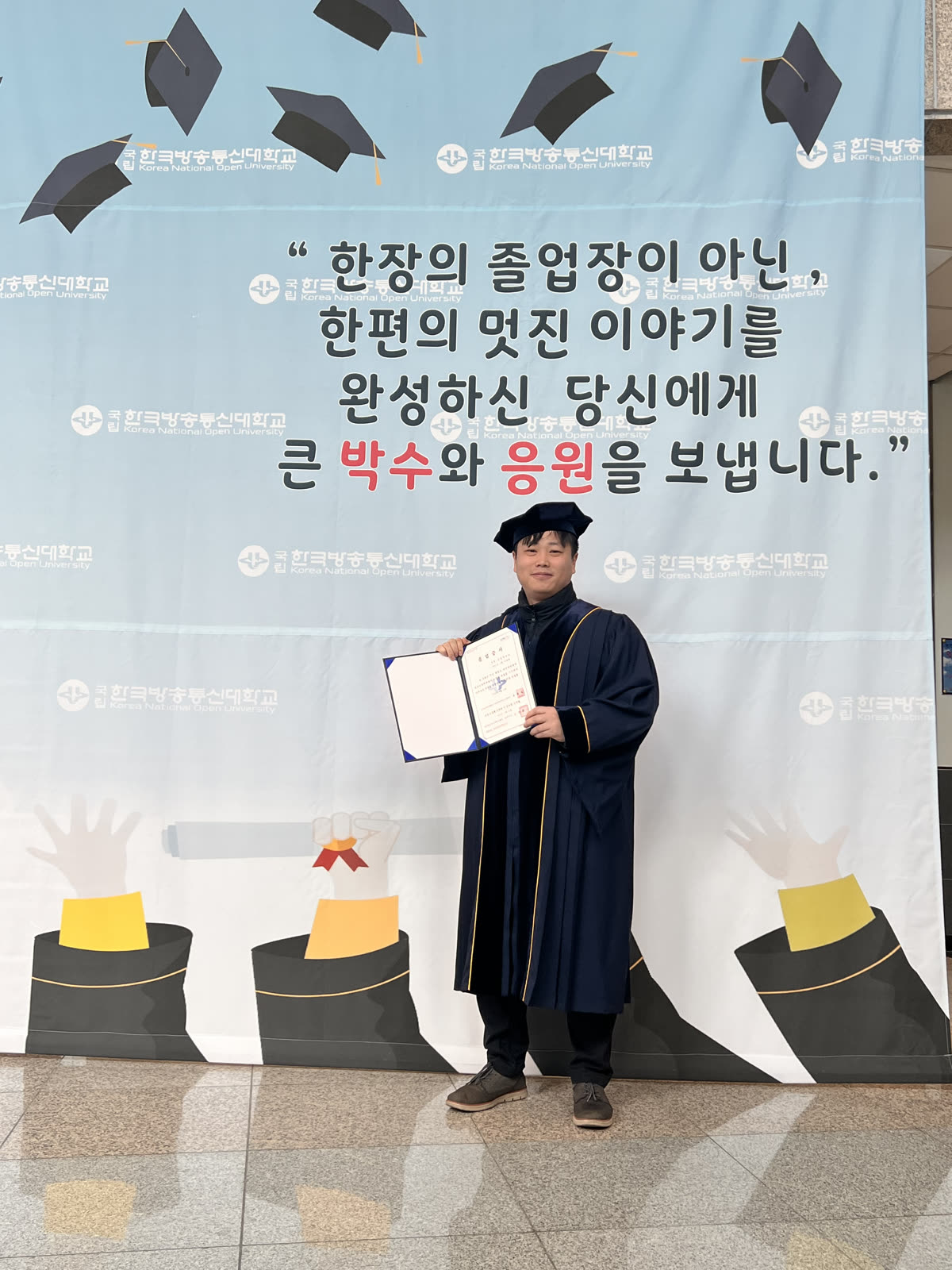
If you’d told me this ten years ago — standing on a factory floor at five in the morning, saving money for language courses — I wouldn’t have believed any part of that sentence.
I came into tech without a CS background. My master’s was in smart city systems — a bit of everything, nothing deep. It got me through the door, but it never stopped the feeling that everyone else was standing on a foundation I didn’t have.
Two years in, my salary covered rent and food. Exactly that. Nothing saved, nothing left over. My wife and I weren’t struggling in the dramatic sense — we had enough to live. But “enough to live” wears you down when it’s all there is, month after month, with no sign of change. I sent applications. Nobody answered.
At some point I burned out so completely that I took everything I had and bought two tickets to Vietnam. No plan. We spent a week doing nothing. I mostly lay by the pool and stared at the sky.
But something shifted. I started looking up university programs on my phone — still in Vietnam, still by the pool. I calculated deadlines and realized I could just make the enrollment window if I applied immediately.
I came back and submitted the documents. I don’t think I decided to go back to school. I think I just ran out of reasons not to.
My first day was an orientation ceremony: a hall full of Korean students. They played the national anthem. Everyone stood and sang. I stood too, moving my lips, pretending I knew the words.
That moment probably captures the whole experience better than anything else I could describe.
A few months into my studies, a large company offered me a position — the one I still work at today. Suddenly I had the job I’d been chasing, without the degree I’d started chasing it with.
The first year at the new job was intense. I took a semester off, then another. The degree sat there, unfinished, and I kept thinking maybe it should stay that way. I had the job. I had the salary. The practical reason was gone.
I came close to quitting more than once. But slowly — not in one decisive moment — I realized the reasons to finish weren’t the obvious ones.
It wasn’t about the résumé anymore. It was something personal. Maybe it’s that every step in this country cost me so much that walking away from any of them feels like wasting the price I already paid. Maybe I just don’t know how to leave things incomplete. That’s not always a virtue. But this time it worked in my favor.
Studying CS in Korean is its own kind of endurance test.
Every technical term I’d learned in English had been translated into Korean — not transliterated, translated. Concepts I could explain fluently in one language became puzzles in another. During exams, while my classmates read the question and started solving, I was still decoding what was being asked. Same time limit. No exceptions.
Sometimes I was angry. Genuinely angry. I’d sit there thinking: if this were in my language, I’d finish in half the time.
I wanted equal treatment — and I got it. That was the problem. Equal treatment in an unequal situation just means you carry the extra weight in silence.
Some days I stopped thinking of it as a CS program and started treating it as advanced Korean practice. That helped. Other days nothing helped. By the end, I’d cycled through stress, frustration, resignation, and indifference — sometimes all in one exam.
People ask me now: was it worth it?
I have five years of experience. I work at a major company. I’ve led architectural decisions for an entire department. I have offers when I look. By every practical measure, the diploma was unnecessary.
But it gave me something harder to name: a wider view. Connections between things I’d been doing in isolation. The theory behind patterns I’d been using on instinct. It’s not that I couldn’t live without it. It’s that I’m slightly better with it — in ways I can’t always point to.
I also just like learning. I always have — in Russia, in Korea, in any language I can manage. When I first arrived in this country, education was a dream I couldn’t afford. No money, no language, no path. The fact that I eventually got here — a real Korean university, real exams, no special treatment — means something to me.
I’m proud of that, even if the market doesn’t care.
I know what the discourse says in 2026. AI writes code. CS degrees are obsolete. Boot camps are faster. Certifications are more practical. None of that is wrong.
You can build a career without a degree. I work with people who came through courses, through self-study, through paths that look nothing like mine. Many of them are excellent. I have no argument against that.
But I have no regret about my own path either. It’s not the only way. It’s not even the most efficient way. It’s just mine.
If you’re reading this at thirty, or thirty-five, or forty, wondering if it’s too late — I don’t have a motivational answer. I can’t promise it will pay off.
But the time will pass anyway. What you do with it is yours.